How to Make an Implant Crown Last
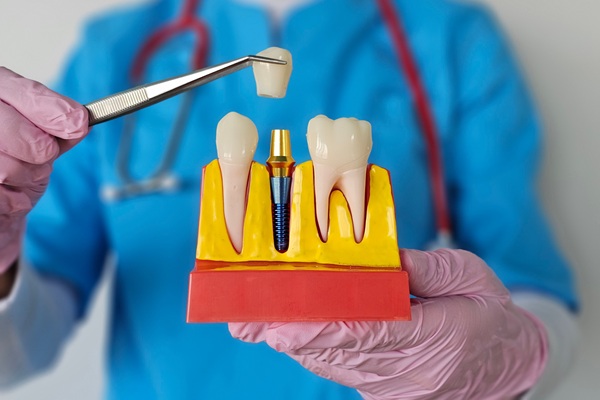
An implant crown restores chewing, speech, and smile balance, yet its longevity depends on daily care and smart habits. Unlike a natural tooth, the crown will not decay, but the surrounding gums and bone can develop inflammation called peri-implantitis. This condition weakens support and risks failure. However, consistent home care and routine professional maintenance help protect the implant post, the abutment that connects it, and the crown that completes your bite.
Daily care habits for implant crowns
Treat an implant crown like a natural tooth, with a few extras tailored to its shape and materials. Use a soft-bristle toothbrush twice a day and low-abrasive toothpaste to avoid scratching porcelain or zirconia surfaces. Clean under the crown's margins and around the abutment, because bacteria-filled plaques lie at the gumline, driving inflammation.
Before leaving the office, ask for guidance on home care for the implant crown. A short chairside demo helps patients master floss threaders, water flossers, and interdental brushes sized for their spaces. Patients can also request advice on toothpaste abrasiveness, the angle of gentle brushing, and how to clean under the crown margins without irritating the gums. Clear instructions, along with a plan, make daily routines easier, reduce plaque accumulation, and support the healthy tissues that keep the restoration stable. Here are a few:
- Brush for two minutes with gentle, circular strokes.
- Floss daily with standard floss, a floss threader, or interdental brushes, as recommended by the dentist.
- Add a water flosser to flush plaque from the area around the implant-abutment junction.
- Rinse with an alcohol-free mouthwash to reduce biofilm.
- Limit frequent sipping of sugary or acidic drinks between meals.
These small steps reduce plaque, protect the gums, and support the bone that anchors the implant.
Protecting implant crowns from stress
Chewing forces can chip porcelain or loosen tiny parts over time. If clenching or grinding (bruxism) is a problem, the dentist will recommend a custom night guard to distribute pressure evenly. Patients should also ask about "occlusion," which describes how the upper and lower teeth meet; balanced contacts lower stress on the implant crown compared with neighboring teeth, which have shock-absorbing ligaments. Further, avoid using teeth as tools—no package tearing, ice chewing, or nail biting. If patients enjoy hard or sticky foods, they should cut them into smaller pieces and chew more slowly to limit torque on the abutment screw.
Moreover, tobacco use increases the risk of gum inflammation and bone loss. Therefore, reducing or quitting tobacco use supports healthier tissues around the implant and overall health. Finally, schedule professional cleanings and exams every six months, or more often if recommended. A hygienist can remove hard deposits with implant-safe instruments, and the dentist can monitor the crown, check bite balance, and retorque components as necessary.
Call us for more information
Call the office if you notice bleeding that persists after brushing, gum tenderness, a bad taste, a chip or fracture, or a crown that feels "high" or loose. Early care usually involves bite adjustments, targeted cleanings, or component maintenance—simple steps that help an implant crown last for many years. For more information or to schedule an appointment, call our office.
To schedule a consultation, please request an appointment on our website at https://www.lifepointga.com or call Life Point Dental Athens at (706) 395-2221 to arrange an appointment at our Athens office.
Check out what others are saying about our services on Yelp: Implant Crown in Athens, GA.
Related Posts
Even though a root canal may sound like an adult procedure, children can benefit from this treatment when a tooth has deep decay, infection, or injury. Baby teeth will fall out eventually, but in the meantime, they help children chew comfortably, speak clearly, and hold space for permanent teeth. A dentist will only recommend this…
A dental bridge provides a reliable way to replace missing teeth, but understanding the indicators of dental bridge failure helps patients protect their long-term oral health. This prosthetic appliance consists of custom artificial teeth suspended between two or more supporting dental crowns. While these restorations restore chewing functionality and visual balance, structural complications can arise…
Endodontics treatment, which is the treatment of the tooth's inner pulp and structures, is one of the most efficient ways to save decaying or damaged teeth. Many individuals, however, get anxious when they learn they need it. This is mostly due to the widespread misconception that undergoing endodontic treatment is unpleasant. It is incorrect —…
A general dentist hears many questions shaped by old advice, social media trends, and outdated beliefs. While some myths sound harmless, they can lead people to delay care or make choices that affect oral health. Learning the facts helps patients protect their teeth, gums, and overall comfort. Here are seven common myths a general dentist…